While much of the global health focus remains on respiratory viruses, several high-impact outbreaks continue to evolve in different regions of the world and are being closely monitored by HRadar due to their potential international risk and relevance to public health and travelers.
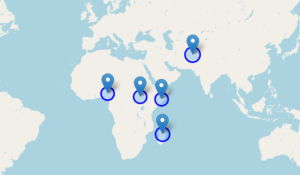
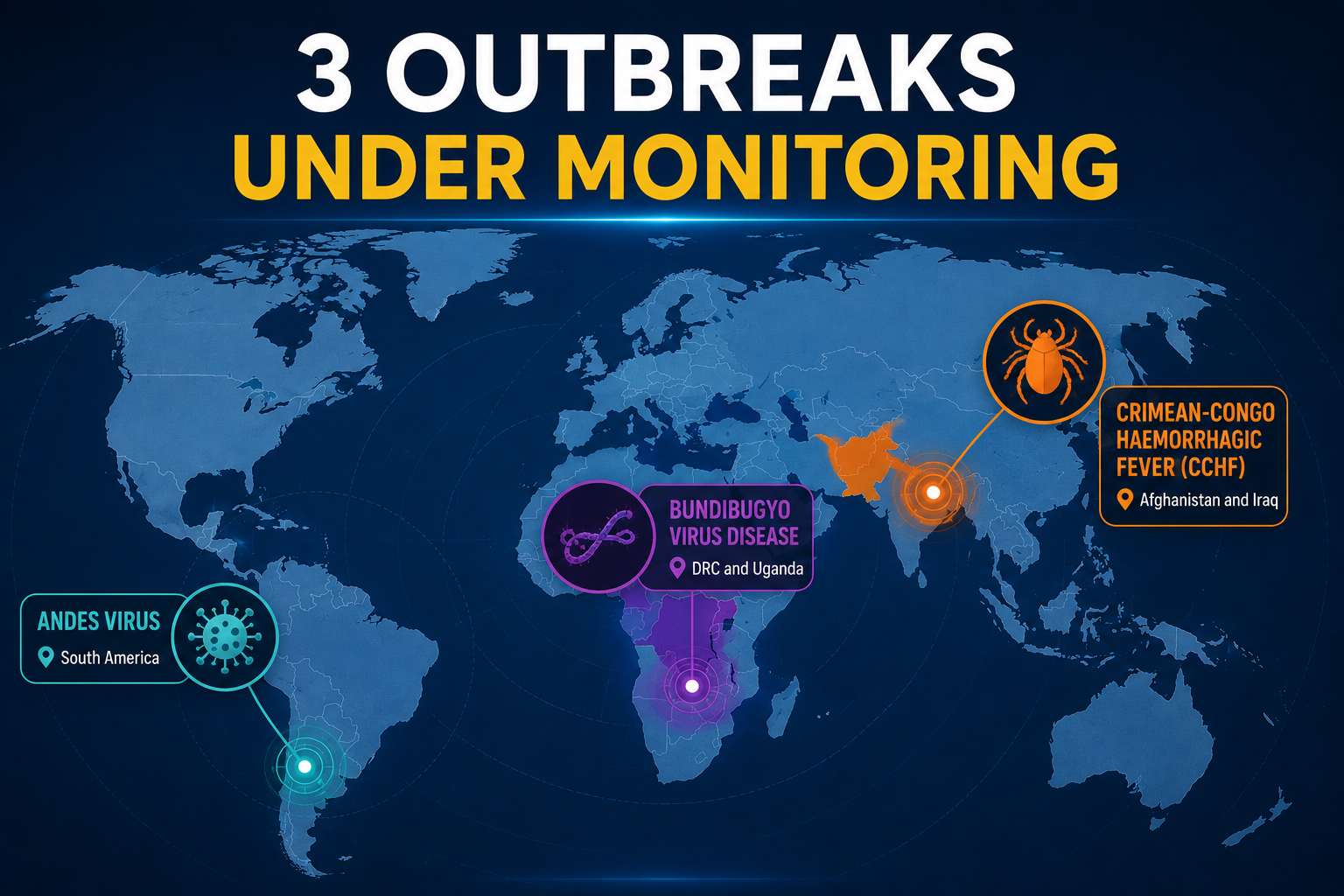
One of the most concerning events is the outbreak of Bundibugyo virus disease (a variant of Ebola) in the Democratic Republic of Congo and Uganda. Since May 2026, more than 500 suspected cases and approximately 130 deaths have been reported in the DRC, in addition to confirmed cases in Uganda linked to travelers from the affected area. The WHO has declared the event a Public Health Emergency of International Concern. The high incidence among young adults and women suggests significant household and caregiving transmission.
We are also closely monitoring the international outbreak associated with Andes hantavirus linked to a cruise ship in the South Atlantic. As of May 19, 11 cases and three deaths had been confirmed among passengers and crew members from various countries. The event has generated particular epidemiological interest because the Andes virus is one of the few hantavirus variants with documented human-to-human transmission. Among the detected cases are patients in South Africa, Canada, and Europe, including international medical evacuations.
Finally, Afghanistan and Iraq continue to experience an active outbreak of Crimean-Congo hemorrhagic fever (CCHF). Afghanistan reported 152 suspected cases and six deaths in April alone, representing an increase of over 140% compared to the previous month. In Iraq, particularly in the Dhi Qar Governorate, cases continue to appear associated with livestock handling and exposure to ticks of the genus Hyalomma. The evolution of these outbreaks also coincides with the seasonal increase in livestock activities and high temperatures in the region.